

Summary and Key Discussion Points
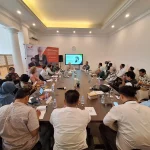
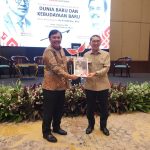
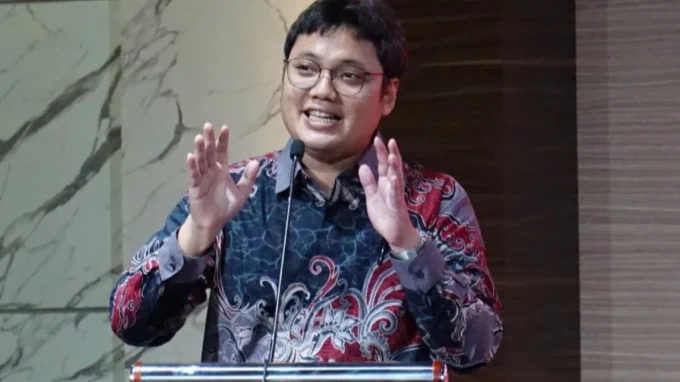
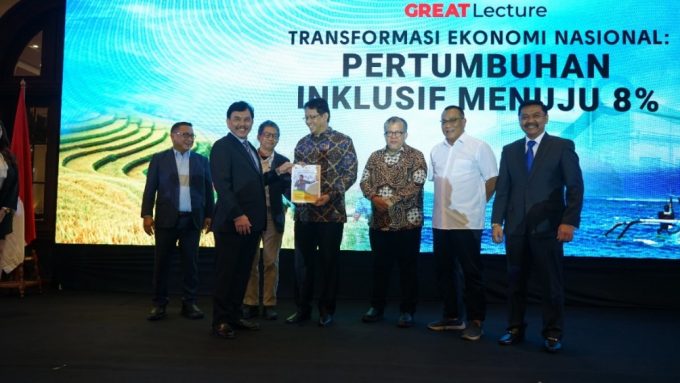
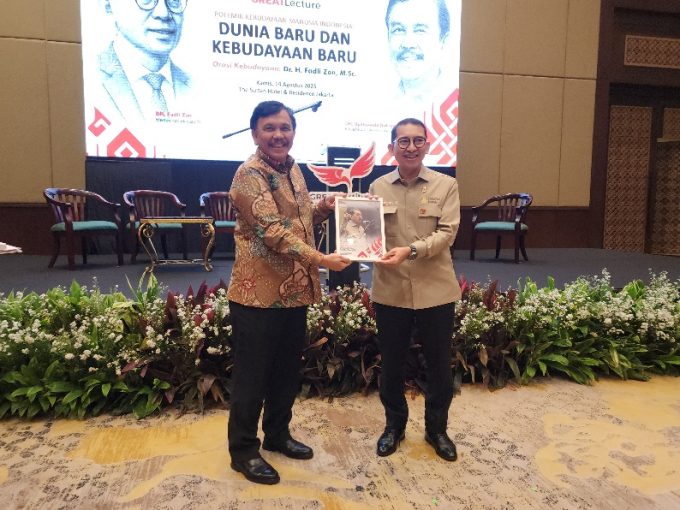
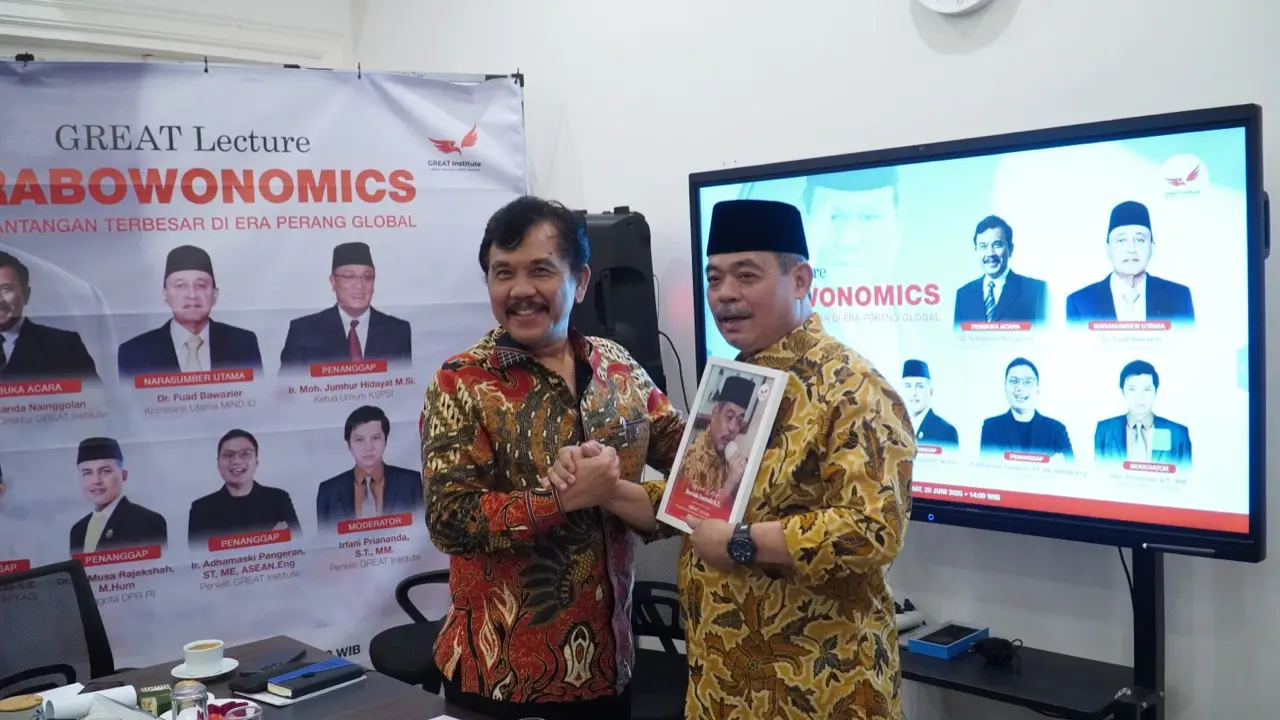
GREAT Institute held a public lecture titled “Prabowonomics and the Greatest Challenges in the Era of Global War” from 14:00 WIB to 17:00 WIB on Friday, June 20, 2025. The event featured Dr. Fuad Bawazier as the main speaker and was responded to by cross-sector discussants: Bursah Zarnubi, Musa Rajekshah, Moh. Jumhur Hidayat, Rauf Purnama, Adhamaski, and Helmy Fauzy. The discussion was attended by more than 250 participants, including academics, practitioners, government officials, students, and activists.
Opening: War Economy and National Coordination Challenges
Syahganda Nainggolan, Chairman of the Board of Directors of GREAT Institute, opened the forum by highlighting the spillover effects of global wars occurring simultaneously in several regions: Russia–Ukraine, Iran–Israel, and India–Pakistan. These conflicts have pushed global oil prices to critical levels and increased global economic uncertainty. He also referenced Indonesia’s attendance at a Russian forum instead of the G7 as a signal of alignment, while questioning the consistency of such positioning at the implementation level. He argued that inter-agency coordination remains sectoral rather than focused on energy and food resilience. He also emphasized the need for a national command system to prevent Indonesia from falling into crisis amid global instability.
Main Presentation: Upholding Article 33 as the Foundation of Prabowonomics
In his main presentation, Fuad Bawazier emphasized that Prabowonomics is not merely a slogan, but must be understood as a reaffirmation of Article 33 of the 1945 Constitution of the Republic of Indonesia. He stressed that state control over natural resources and strategic sectors is the foundation of the national economy and must be consistently upheld. He noted that this spirit was initiated by Sukarno through Law No. 44 and continued under Suharto with the strengthening of the national energy industry.
However, after the reform era, liberalization led to governance problems: private control over mining, environmental damage, and reduced state revenue. Fuad emphasized that mining is still necessary, but must be properly governed so that its benefits return to the people. He criticized resource exploitation by both foreign actors and domestic oligarchs and called for policies based on equity and economic justice.
Responses: Regional, Legislative, Labor, and Technocratic Perspectives
- Bursah Zarnubi described Prabowonomics as a big idea that requires commitment, consistency, and continuity. He emphasized people-based economic development through cooperatives and rural development supported by STEM-based capacity building.
- Musa Rajekshah highlighted the role of the DPR in integrating presidential instructions (Inpres) into the national legal architecture. He noted nine Inpres issued by mid-2025 and stressed reducing dependency on foreign investment while optimizing natural resource potential.
- Moh. Jumhur Hidayat warned of demographic risks if the current demographic bonus is not managed properly. He proposed a National Economic System Law and emphasized improving distribution systems to strengthen farmers’ income and purchasing power. He also urged GREAT Institute to continue the forum through proceedings and policy briefs to ensure policy translation into action.
- Rauf Purnama simplified the prerequisites for Prabowonomics into three pillars: commitment to Article 33, sustainable resource management, and national technological mastery.
- Adhamaski Pangeran criticized narrow interpretations of bureaucratic efficiency, arguing that efficiency should be measured by output-input ratios rather than budget cuts. He also noted the absence of large national champions emerging from a decade of infrastructure development.
- Helmy Fauzy concluded by emphasizing that Indonesia must “ride the waves of globalization” with strategic flexibility rather than passivity or reactivity.
Conclusion and Follow-up
Responding to the discussion, Syahganda Nainggolan summarized three key points:
- Strengthening state control over natural resources
- Accelerating industrialization based on technology and human capital
- Utilizing shifts in global power as strategic opportunities
He emphasized that the forum is not merely a discussion platform but a call to build a structured ideological and institutional system under national leadership. Otherwise, Indonesia risks losing direction amid deepening global crises.