

When the world becomes increasingly entangled in a tariff war driven by global economic protectionism, Indonesia faces a historical dilemma: to submit to the currents of major powers or to build its own path.
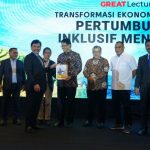
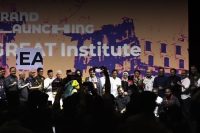
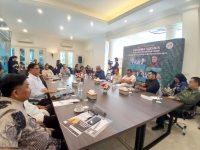
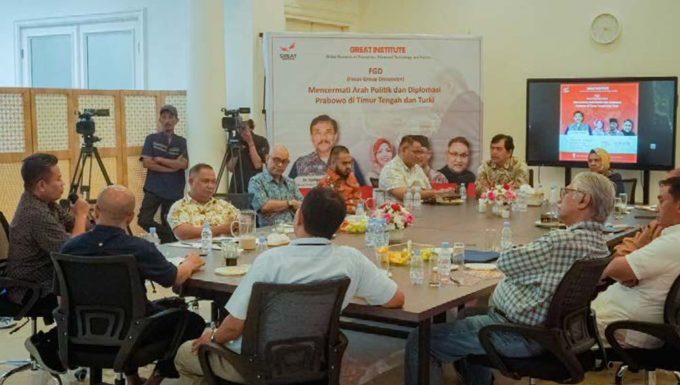
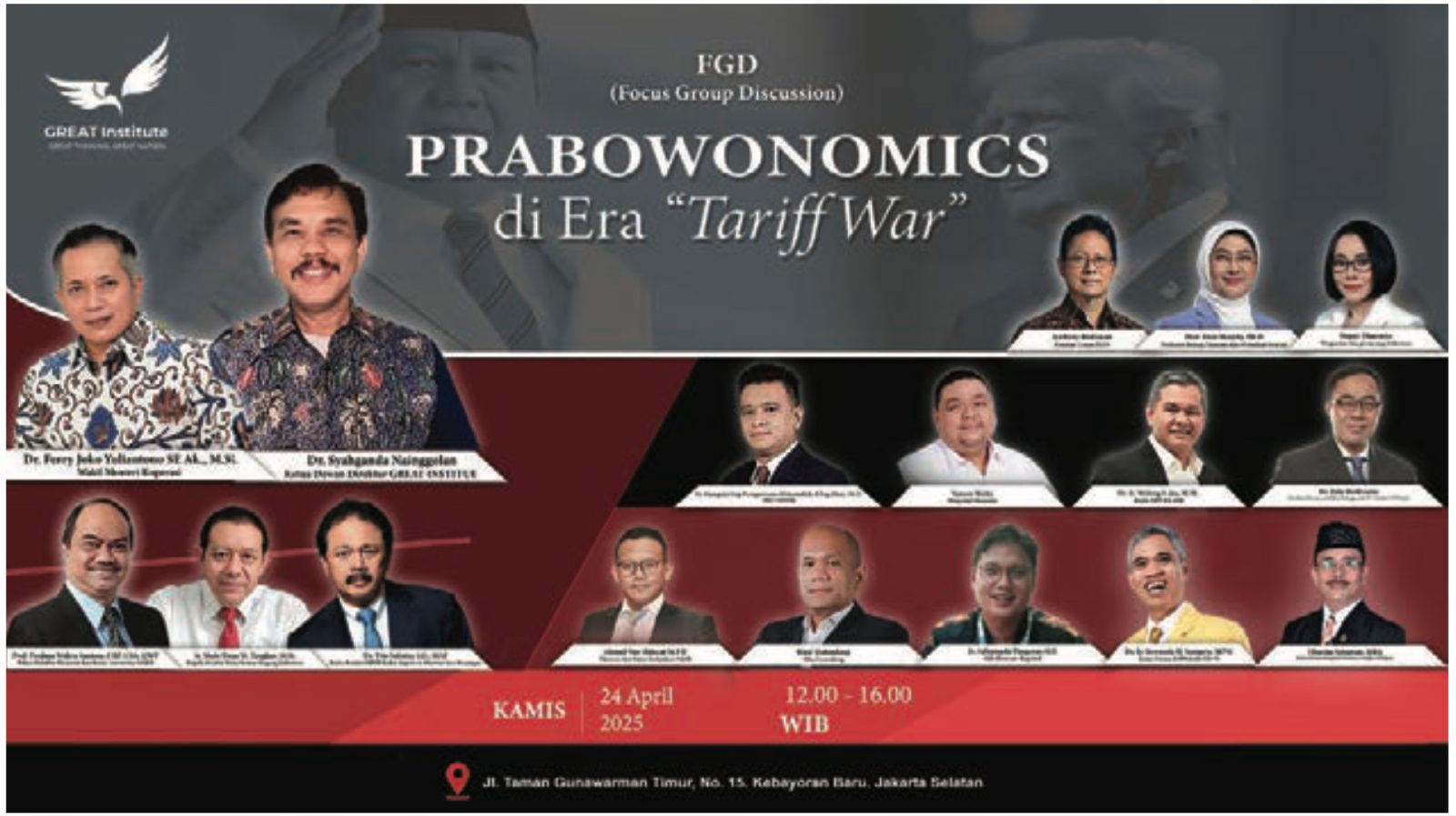
In a Focus Group Discussion titled “Prabowonomics in the Era of Tariff War” held by GREAT Institute on Thursday (24/04), economists, policymakers, and industry actors reached a shared view: Indonesia needs an economic approach that is not merely reactive, but ideological and grounded.
Chaired by Syahganda Nainggolan, the discussion opened with a firm conclusion: today’s trade war is no longer just economic competition, but a new phase in which the economy is used as an instrument of global domination. The world has shifted from free trade to economic warfare, and Indonesia can no longer operate under conventional trade logic.
Prabowonomics, in the interpretation of the forum, is not a short-term program but a national paradigm. It reasserts sovereignty, pro-people alignment, and the courage to pursue an independent path—even if it is not always popular in global economic forums.
Ferry Juliantono stated that President Prabowo’s economic policy represents a conscious deviation from neoliberalism that has shaped Indonesia over the past two decades. He emphasized that initiatives such as village cooperatives, village clinics, and rural supply systems are concrete answers to the people’s need for a present state.
Tito Sulistio viewed the government’s large fiscal allocation as long-term investment in human capital, citing the Free Nutritious Meals program as an example. However, he noted that visionary policies are often poorly communicated.
Anthony Budiawan and other speakers stressed the importance of industrialization, import substitution, and strengthening domestic production capacity, particularly in rural areas and MSMEs.
Perdana Wahyu Santosa highlighted that global tariff wars could become a “blessing in disguise,” opening export opportunities to new regions, although Indonesia must improve its bargaining position.
Dian Masyita linked Prabowonomics with constitutional principles and Islamic economic values, especially Article 33 of the 1945 Constitution, emphasizing equitable distribution of wealth.
Poempida Hidayatullah described Prabowonomics as a “Robin Hood economy” in the sense of building justice from the grassroots rather than relying on trickle-down growth.
The forum concluded that Prabowonomics is not merely a technical strategy, but also an ideological stance. It is Indonesia’s declaration that it is not waiting for its fate, but actively shaping it.
In closing, Syahganda Nainggolan emphasized that awareness of economic warfare is a prerequisite for sovereignty. Without mental and strategic readiness, Indonesia risks becoming merely a market for external narratives.