


Jakarta – The Ministry of Immigration and Corrections (Kemenimipas) enters 2026 carrying the spirit of bureaucratic reform and strengthening the integrity of its personnel. However, the real challenge does not lie in declarations or the signing of performance commitments, but in how all ranks are able to prove them in daily public service.
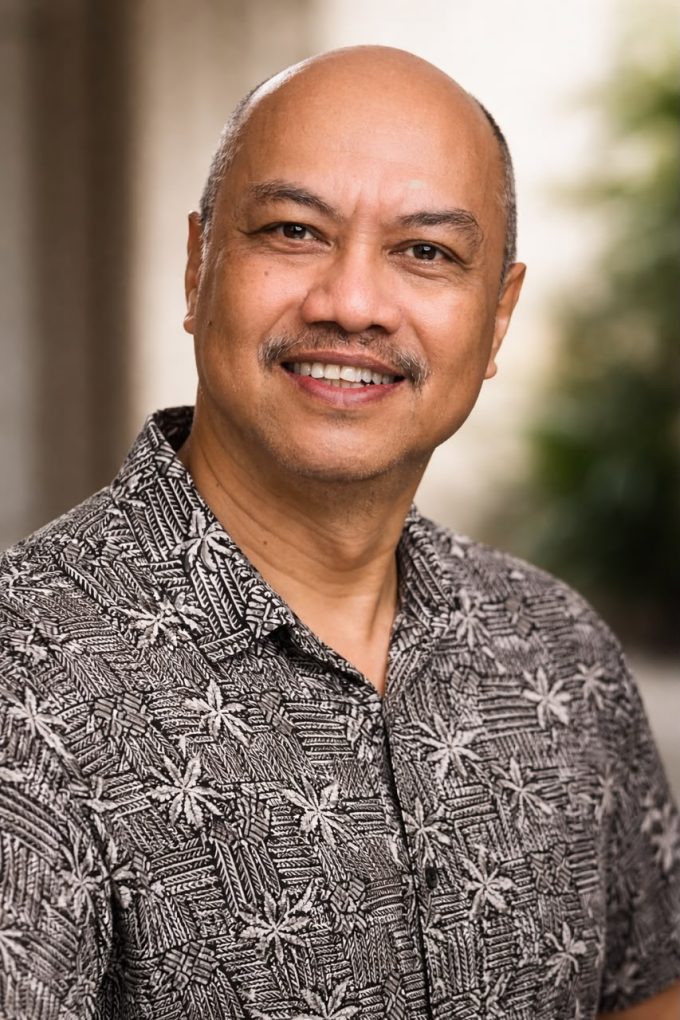
Special Staff to the Minister of Immigration and Corrections, Ir. H. Abdullah Rasyid, M.E., emphasized that strengthening employee integrity is the main foundation for realizing professional, modern, responsive, and accountable services.
According to him, integrity should no longer be understood merely as a bureaucratic slogan, but must be reflected in discipline, service speed, and the ability to reduce potential irregularities in the field.
“Good public service is not enough with sophisticated systems; it also requires honest, disciplined personnel with a strong spirit of service. Employee integrity must be the main foundation,” he said on Tuesday (31/3).
Abdullah Rasyid assessed that the challenges facing Kemenimipas in the future are not only related to service modernization and system digitalization, but also how all personnel are able to maintain professionalism and commitment to public service.
This year, Kemenimipas targets the implementation of 15 Action Programs as a continuation of previous strategic initiatives. All performance agreements are directed to support these targets, ranging from improving immigration services, correctional reform, strengthening supervision, to enhancing human resource quality.
However, he warned that the promise of bureaucratic reform must not stop at ceremonial events or administrative documents. The public is now increasingly critical of service quality, especially amid demands for services that are fast, transparent, responsive, and free from malpractice.
“Public trust is the greatest asset of Kemenimipas. If services are good, fast, and clean, the institution’s image will also become stronger,” he said.
Therefore, Abdullah Rasyid encouraged all regional offices and technical implementation units (prisons, detention centers, and immigration offices) to strengthen a professional work culture, improve human resource quality, tighten internal supervision, and optimize service technology.
According to him, 2026 must become an important milestone for Kemenimipas to prove that bureaucratic reform is truly being implemented and delivering direct impact to society.