

Jakarta – Skills-based rehabilitation programs for inmates are considered an important strategy to promote self-reliance and social reintegration for correctional inmates (WBP) in Indonesia. Former inmates who possess job skills are seen as more easily accepted by the business world and more capable of building independent livelihoods after release.
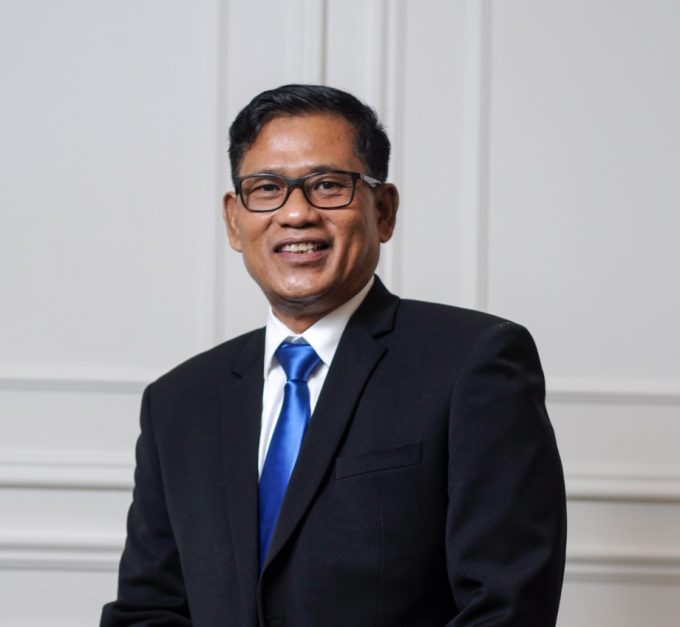
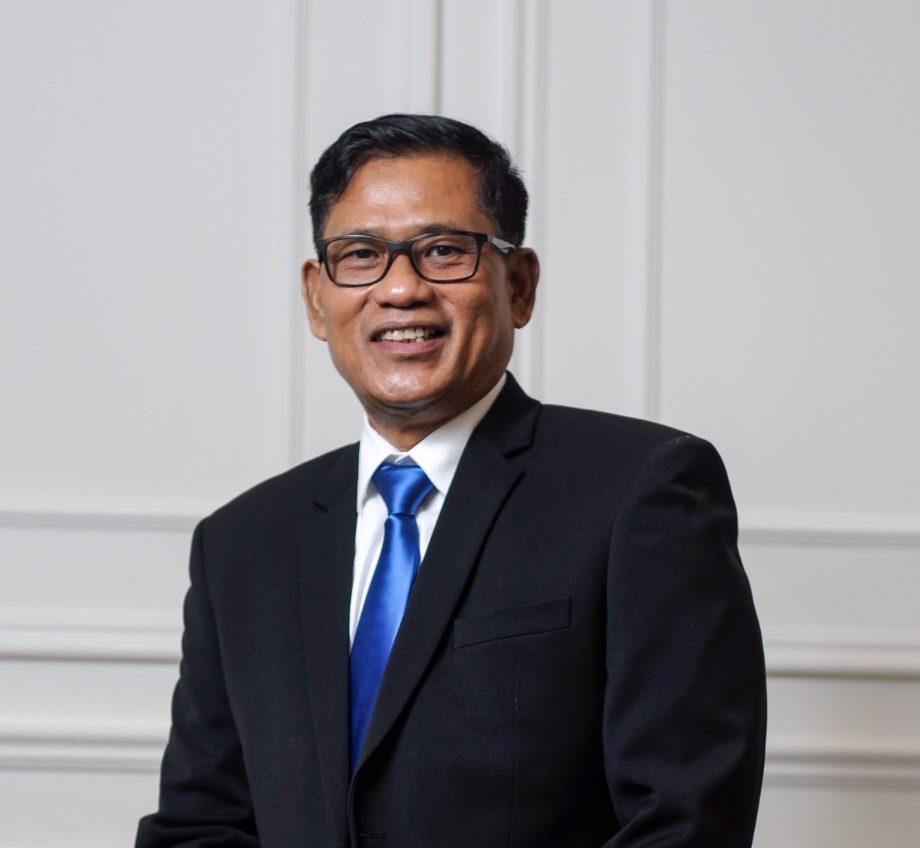
Special Staff to the Minister of Immigration and Corrections, Ir. H. Abdullah Rasyid, M.E. (March 30), emphasized that inmate rehabilitation should not only focus on security and supervision aspects, but must also be directed toward strengthening productive skills.
According to him, training in areas such as carpentry, automotive repair, agriculture, livestock farming, fisheries, culinary arts, crafts, and digital skills needs to be expanded so that inmates have tangible capabilities when they return to society.
“Correctional facilities must become productive rehabilitation spaces. Inmates need to be equipped with skills so they have a foundation when they return to society,” he said.
He noted that this approach is important to reduce recidivism or repeat offenses. Former inmates who have skills and income are considered more capable of rebuilding their lives compared to those who return to society without any preparation.
In this regard, he explained that rehabilitation programs within the Ministry of Immigration and Corrections must be directed toward strengthening skills aligned with labor market demands.
He said the biggest challenge today is not only providing training, but also ensuring continuity between prison-based rehabilitation programs and external workforce needs.
Therefore, he encourages cooperation between correctional institutions, local governments, the private sector, and vocational training institutions so that graduates of rehabilitation programs can be directly absorbed into productive sectors.
“Prisons are not only places for serving sentences, but also spaces for economic rehabilitation. If inmates leave with skills and job certifications, then the likelihood of reoffending can be reduced,” he said.
In addition, social stigma against former inmates is still considered a major obstacle. Many companies remain reluctant to hire former inmates, even if they possess adequate skills.
According to Rasyid, the business sector needs to open greater opportunities for former inmates so they are not trapped again in cycles of unemployment and poverty.
“If former inmates are given job opportunities, they will become productive and can contribute to their family and regional economies. But if there is no space for them, the risk of reoffending will certainly be higher,” he said.
With the prison population continuing to increase each year, productive rehabilitation is seen not as an option, but as an urgent necessity to ensure correctional institutions truly fulfill their social and economic rehabilitation function.