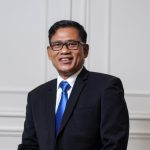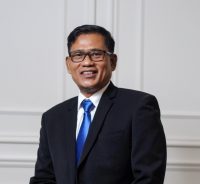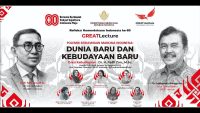

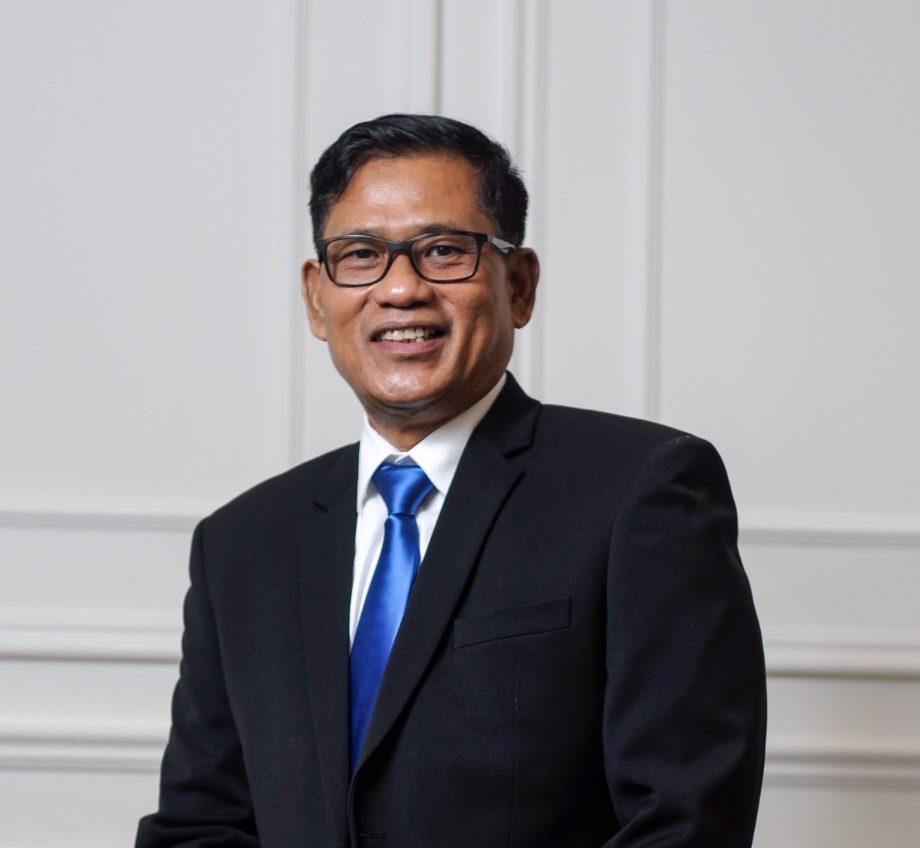

JAKARTA – Special Staff to the Minister of Immigration and Corrections, Abdullah Rasyid, emphasized that the ministry’s current policy direction is no longer solely oriented toward administrative functions, but has evolved into a strategic instrument to drive national economic growth and human resource development.
In his statement, Abdullah Rasyid—who is also a doctoral student at the Institute of Home Affairs Governance (Institut Pemerintahan Dalam Negeri)—said that the implementation of the Ministry’s 15 Action Programs serves as the main foundation for an institutional transformation that is more adaptive, modern, and broadly impactful.
According to him, the immigration sector is now positioned as an economic growth engine through various policies that facilitate global mobility, including simplified visa regulations such as Business Visas and Golden Visas. These policies are considered capable of increasing Indonesia’s investment attractiveness and accelerating the inflow of business actors and skilled professionals.
“Immigration today must be able to function as a facilitator of development, not merely a gatekeeper of the state’s borders,” he said.
In addition, the digitalization of services through strengthened technology-based systems and the expansion of autogates at various checkpoints are concrete steps to improve public service efficiency while strengthening oversight of people’s mobility.
On the other hand, the strengthening of border security and legal education for rural communities continues to be carried out to prevent human trafficking (TPPO) and human smuggling.
Meanwhile, in the corrections sector, Rasyid stressed the importance of a paradigm shift from a purely punitive approach toward productive and sustainable rehabilitation.
He stated that correctional institutions in the future must become centers of empowerment for inmates.
“Correctional facilities are not only places to serve sentences, but also spaces for rehabilitation so that inmates acquire skills and self-reliance when they return to society,” he explained.
Various programs such as the use of prison land for agriculture, fisheries, and livestock, as well as MSME development based on inmate-produced goods, are part of a strategy for food security as well as economic empowerment.
In addition, the development of healthy kitchens to support nutritional needs and the provision of equivalency education for inmates and juvenile detainees are also priorities in creating a more humane correctional system.
In another aspect, the ministry is also promoting the use of renewable energy such as solar cells and biogas, particularly in frontier, outermost, and disadvantaged regions (3T), as part of its commitment to energy efficiency and sustainable development.
Social outreach activities, including free health services for communities around technical implementation units, further strengthen the state’s presence in society.
In terms of human resources, civil servant competency development is being improved through vocational education and MOOC-based digital learning, as well as supporting facilities such as official housing to improve employee welfare.
Rasyid emphasized that the entire program reflects a comprehensive reform that is not only security-oriented, but also focused on service, empowerment, and tangible contributions to national development.
“This is a new direction—globally competitive immigration and a productive, humane, and sustainable correctional system,” he concluded.