

Waste remains one of Indonesia’s most pressing environmental challenges. In response, the government has reaffirmed its commitment to accelerating improvements in waste governance through stronger oversight, stricter law enforcement, and greater accountability among all stakeholders involved in waste management. These efforts form part of the national agenda to achieve a Waste-Free Indonesia by 2029.
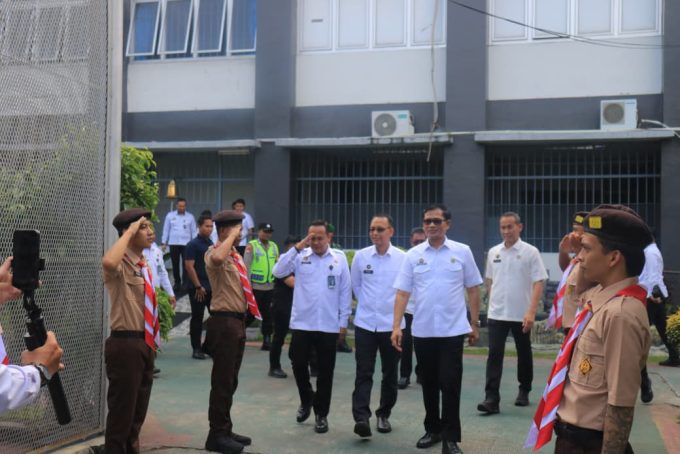
Minister of Environment Mohammad Jumhur Hidayat emphasized that addressing the waste problem requires firm and measurable action, not merely public awareness campaigns. For this reason, the Ministry of Environment is strengthening supervision and regulatory enforcement to ensure that waste management practices comply with environmental standards and regulations.
Strengthening Oversight and Law Enforcement
One of the government’s primary priorities is enhancing supervision of final disposal sites and regional waste management systems. The Ministry has stated that sanctions will be imposed on parties that fail to comply with environmental regulations, particularly in the operation of waste management facilities and landfill sites.
This stricter approach is expected to encourage local governments and waste management operators to accelerate improvements to systems that have long faced various operational and structural challenges. The government believes that stronger accountability is essential to addressing persistent weaknesses in Indonesia’s waste management framework.
Minister Jumhur stressed that environmental regulations must be implemented consistently and that violations cannot continue to be tolerated if Indonesia is to achieve its waste reduction and management objectives effectively.
Accelerating National Waste Management Reform
In addition to strengthening law enforcement, the government is also accelerating broader reforms in the national waste management system. These efforts include expanding waste management infrastructure, increasing recycling capacity, reducing the volume of waste sent to landfills, and improving coordination between central and regional governments.
The Ministry of Environment emphasized the importance of an integrated waste management approach from upstream to downstream. This includes waste sorting at the source, expanding recycling initiatives, and developing more sustainable waste processing technologies and systems.
Local governments are also expected to play a more active role in implementing waste management policies and ensuring that waste collection and treatment services operate effectively within their respective regions.
Supporting the Waste-Free Indonesia 2029 Target
The commitment to achieving a Waste-Free Indonesia by 2029 forms part of the government’s broader agenda to improve environmental quality and support sustainable development.
According to the Ministry of Environment, the success of this target depends on effective policy implementation, strong institutional coordination, adequate infrastructure, and compliance with environmental regulations. The government believes that achieving this objective requires active participation from all stakeholders, including government institutions, businesses, and the wider public.
Furthermore, waste management reform is viewed as an essential component of environmental protection, given the significant impact that unmanaged waste can have on ecosystems, public health, and long-term environmental sustainability.
Conclusion
The government’s commitment to improving waste governance demonstrates an increasing focus on law enforcement, accountability, and interagency coordination. Through stricter oversight, stronger sanctions, and accelerated reforms of waste management systems, the government aims to enhance Indonesia’s capacity to address one of its most urgent environmental challenges.
These measures are expected to support the realization of the Waste-Free Indonesia 2029 target while creating a cleaner, healthier, and more sustainable environment for future generations.
Sources: