

At the forum, the echo of John Maynard Keynes’s thought served as a reminder: the path to 8 percent growth is not merely about numbers, but about political courage, bureaucratic reform, and the willingness to make growth belong to everyone — not just a few.
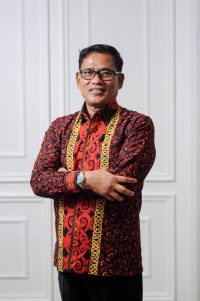
A more technical presentation was delivered by Perdana Wahyu Santosa, Professor at the Faculty of Economics and Business, YARSI University. He outlined a roadmap from 2025 to 2030. He described 2025 as a post-election consolidation phase with a growth target of 5.3–5.5 percent. In 2026, a rebalancing strategy was projected to increase growth to 5.5–5.8 percent. In 2027, industrial acceleration was expected to begin with a target of 6 percent, while 2028 would mark structural growth momentum toward 6.7 percent. By 2029, growth was expected to exceed 7 percent. “By 2030, Indonesia’s GDP per capita could surpass USD 7,500, with growth reaching 7.8–8 percent,” he stated at Bidakara, Jakarta, on September 11, 2025.
He emphasized that this would only be possible through political consistency across administrations and sustained bureaucratic reform. He also introduced the concept of trust-led growth, arguing that public trust in the formal financial system is essential.
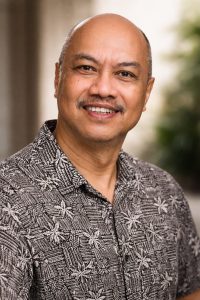
Optimism was also expressed by Mukhamad Misbakhun, Chair of Commission XI of the DPR RI. He noted that Indonesia had previously achieved 7, 8, even 9 percent growth despite a smaller state budget. According to him, 8 percent growth is achievable, with fiscal policy contributing 5 percent and monetary policy adding another 3 percent. He also stressed that state-owned enterprises must return to their constitutional role as agents of development.
Tito Sulistyo, Chair of the Insurance, Guarantee, and Pension Fund Committee at OJK, highlighted two major sovereignty risks: energy and monetary dependence. He introduced the concept of Wowonomics, centered on national welfare, and pointed to the potential multiplier effect of the Program Makan Bergizi Gratis. He also emphasized that instruments such as Danantara must be communicated transparently to gain public trust.
The forum at Bidakara was also attended by public figures including Fuad Bawazier, Ferry Juliantono, and Rocky Gerung. Jumhur Hidayat raised concerns over high bank interest rates, questioning how to prevent banking from operating like loan sharks. Tito responded that improving the country’s sovereign rating would help lower interest rates.
The discussion ultimately brought together confidence and skepticism — confidence that the combined strength of government and private sectors could drive high growth, and skepticism that bureaucracy and politics could still become hidden obstacles. As Keynes observed, fiscal instruments are essential for steering an economy toward stability, but they cannot be effective without public support.