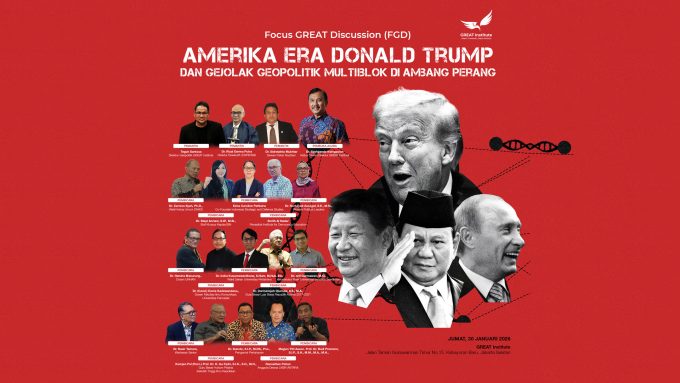


On April 2, 2025, President Donald Trump officially implemented a 10% reciprocal tariff on all countries. This import tariff policy was based on concerns over the United States’ trade deficits, which were seen as unfair, as well as an effort to achieve greater economic self-reliance and reduce import dependency.
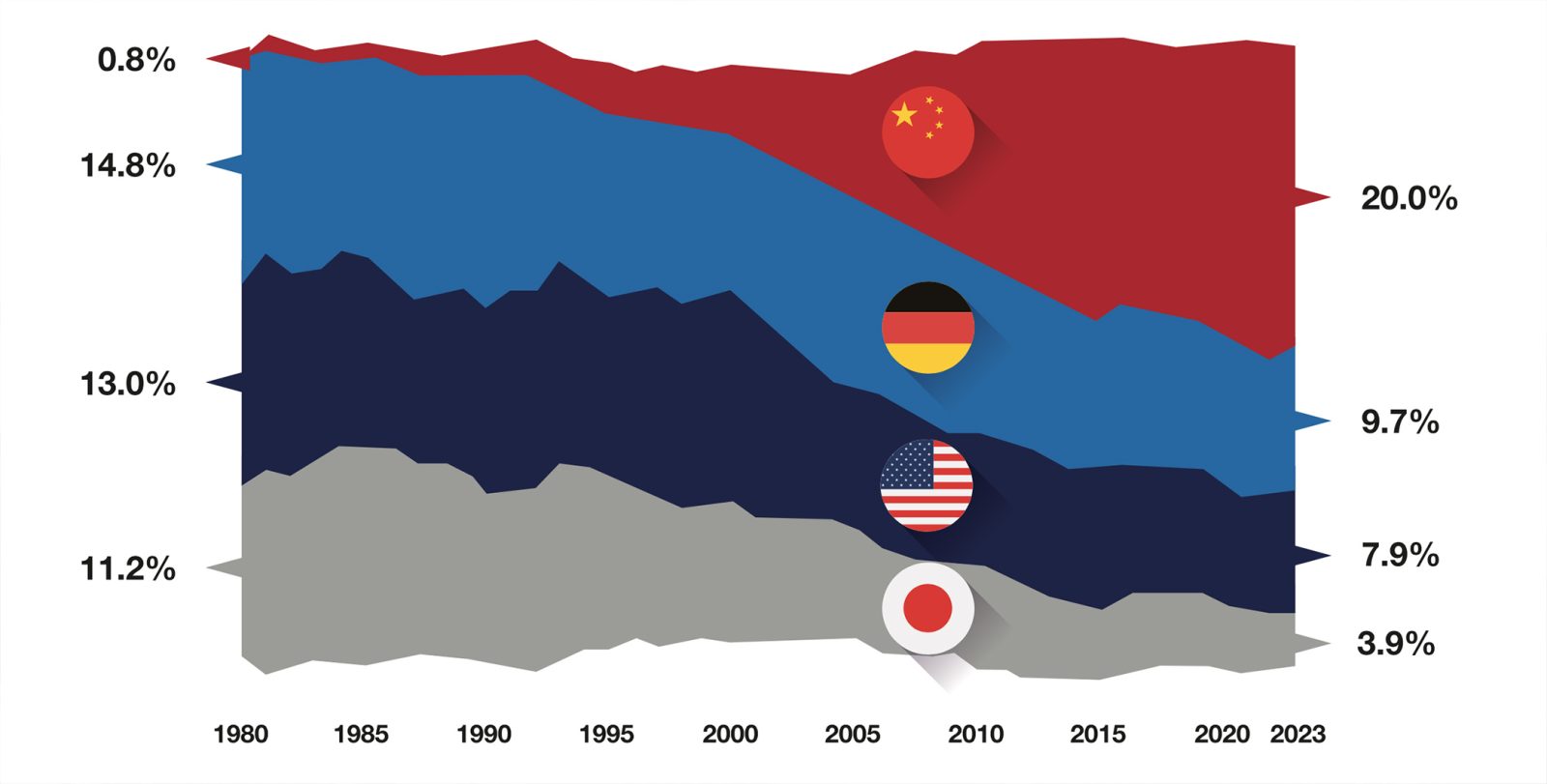
Beyond these reasons, escalating trade competition with China has further intensified global tensions.
The United States has consistently recorded an import trade deficit with Indonesia from 2017 through Q1 2025. This deficit became one of the main reasons Indonesia was subject to a 32% import tariff. Such a high tariff poses serious economic challenges, including potential declines in foreign investment, export market instability, and risks of layoffs.
In response, Indonesia has dispatched a special delegation for negotiations. Meanwhile, President Prabowo Subianto has formulated a strategy to face these tariff pressures by expanding trade partners, accelerating downstream industrialization, and strengthening domestic purchasing power. These strategies are embedded in the Asta Cita framework, also referred to as Prabowonomics, which emphasizes economic self-reliance.
However, the question remains whether Prabowonomics can withstand Trump’s tariff policies. More than 50% of Indonesia’s exports—electronics, footwear, apparel, and seafood—are directed to the United States. Increased tariffs would raise prices, potentially reducing export demand and forcing domestic industries to cut costs or even reduce employment.
Indonesia also remains dependent on imports for energy (oil and gas) and agricultural inputs (such as soybeans and machinery). This dependency affects domestic production chains and could contribute to higher prices and supply constraints in sectors like food and energy.
Despite these challenges, Prabowo’s economic direction—centered on food, energy, and water self-sufficiency, alongside expanded trade partnerships and industrial downstreaming—is positioned as a strategic response to global trade pressures. Strengthening domestic economic capacity through programs such as Koperasi Desa Merah Putih and Program Makan Bergizi Gratis is seen as essential to absorbing labor and reinforcing national industry.
In the broader context of an emerging economic conflict, Prabowonomics is described as a form of economic command strategy aimed at strengthening grassroots economic resilience. However, such a top-down approach is also expected to remain temporary to avoid long-term structural inefficiencies.
Ultimately, Indonesia’s economic strategy is framed as “building from the village upward,” drawing inspiration from the concept of surrounding cities from the countryside. In this vision, rural-based economic strengthening becomes the foundation for national economic sovereignty amid ongoing global trade tensions.